Oolong vs Green Tea vs Black Tea: Key Differences
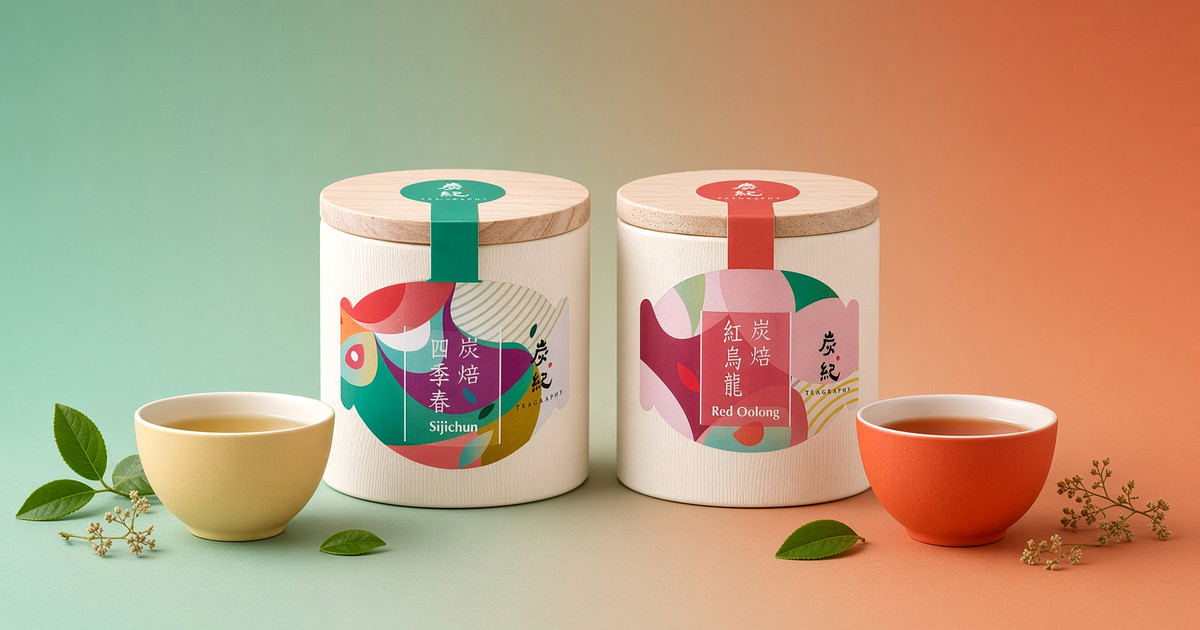
- Green, oolong and black tea can come from the same tea plant; the main difference is how much the leaf is allowed to oxidise.
- Green tea is kept unoxidised, black tea is fully oxidised, and oolong sits in between—TEAGRAPHY's oolongs range from about 20-25% to 80-90% oxidation.
- Taiwanese oolong is usually rolled into tight balls and often roasted, which adds depth and lets the leaves be steeped several times.
- Brewing differs too: Taiwan's Tea and Beverage Research Station found green tea tastes better at 80-90°C, while high-mountain oolong suits boiling water.
- If you like green tea, start with a light, floral oolong; if you drink black tea, try a red oolong.
Green tea, oolong and black tea can all come from the same plant; the difference is how far the leaf is allowed to oxidise before it is fixed. Green tea is kept unoxidised, black tea is fully oxidised, and oolong sits in the wide space between, which is why it can taste floral, creamy, fruity or roasted.
If you have ever wondered why one "oolong" tastes almost green and another almost like black tea, this guide explains the processing, flavour and brewing differences, and helps you pick a first cup.
Why are the three teas so easy to confuse?
Shops often file oolong alongside green or black tea without explanation, and the leaf colours overlap. A lightly oxidised oolong can look as green as sencha in the cup, while a heavily oxidised one pours orange-red. Without knowing the process, it is hard to predict what you will taste.
What does oxidation actually do?
Once tea leaves are picked and bruised, natural enzymes start to darken them, much like a cut apple. The tea maker decides when to stop that process with heat.
- Green tea: heated early, so it stays unoxidised and fresh-tasting.
- Oolong: partly oxidised, then fixed, rolled and often roasted.
- Black tea: fully oxidised for a dark liquor and malty or fruity depth.
Oolong is a spectrum, not a single point
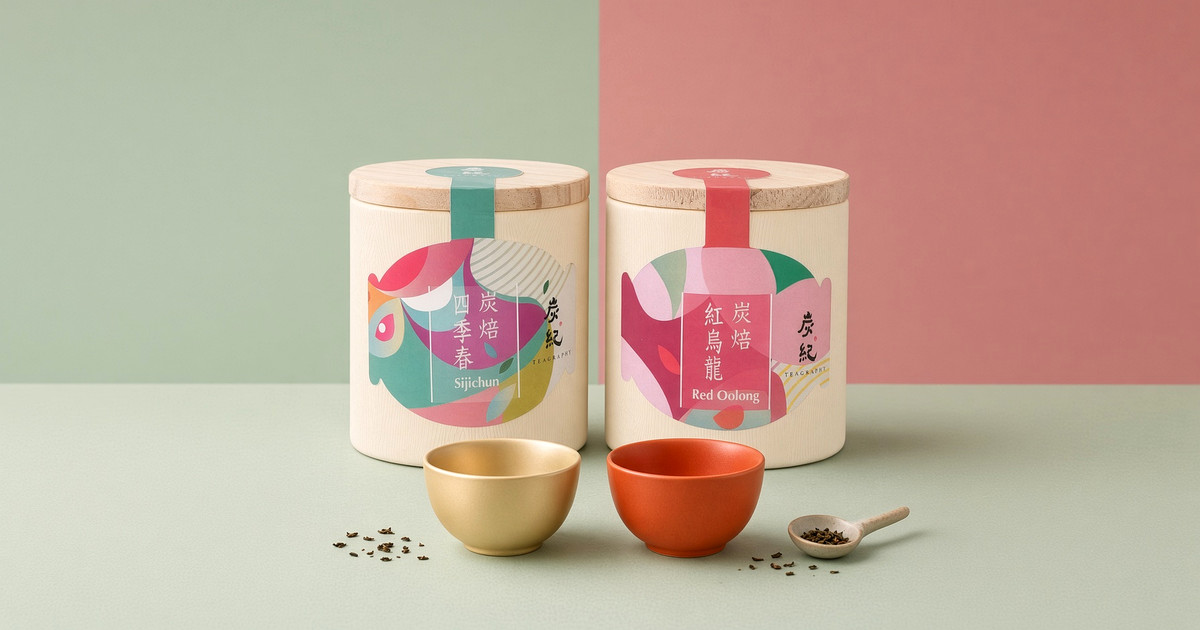
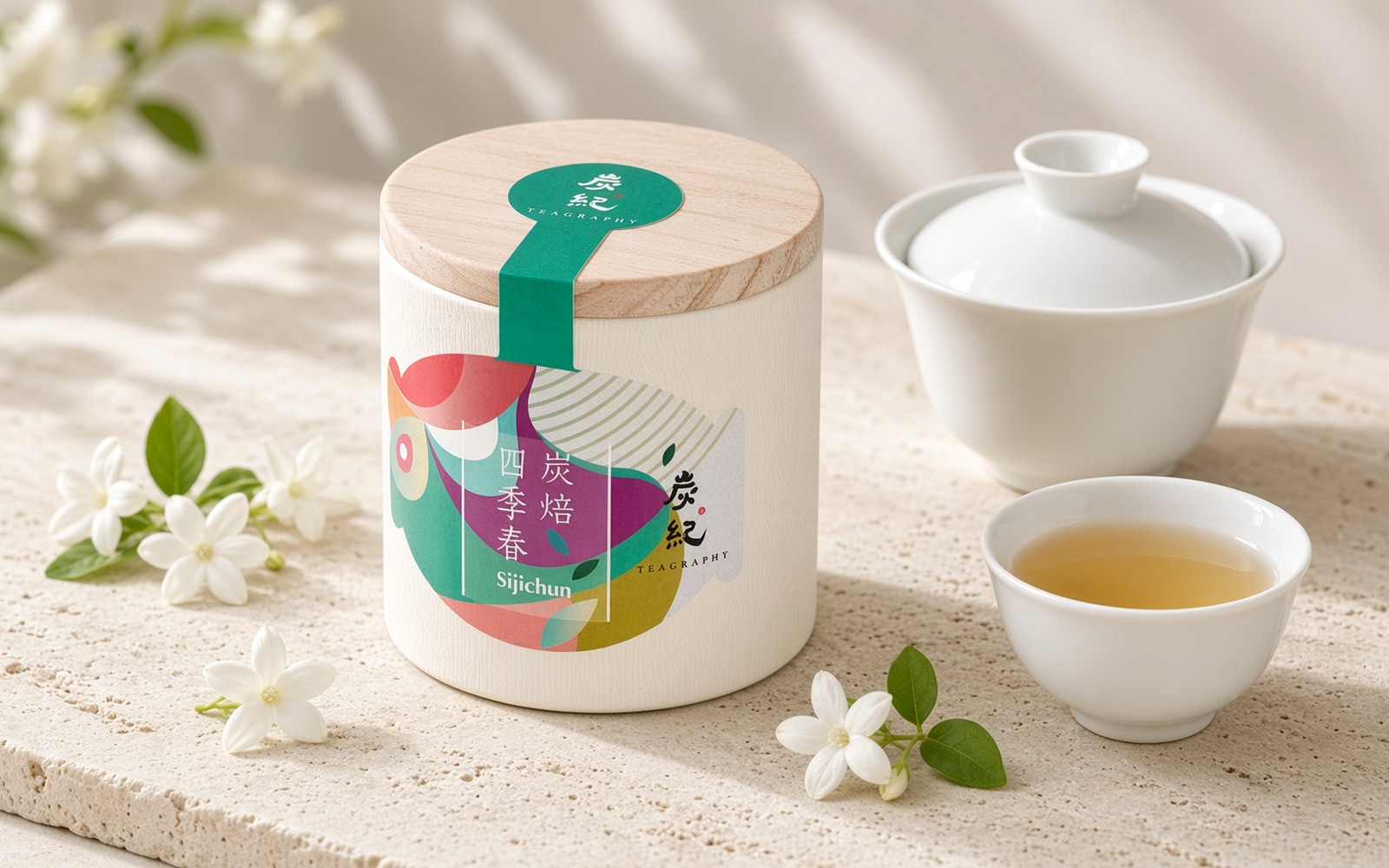
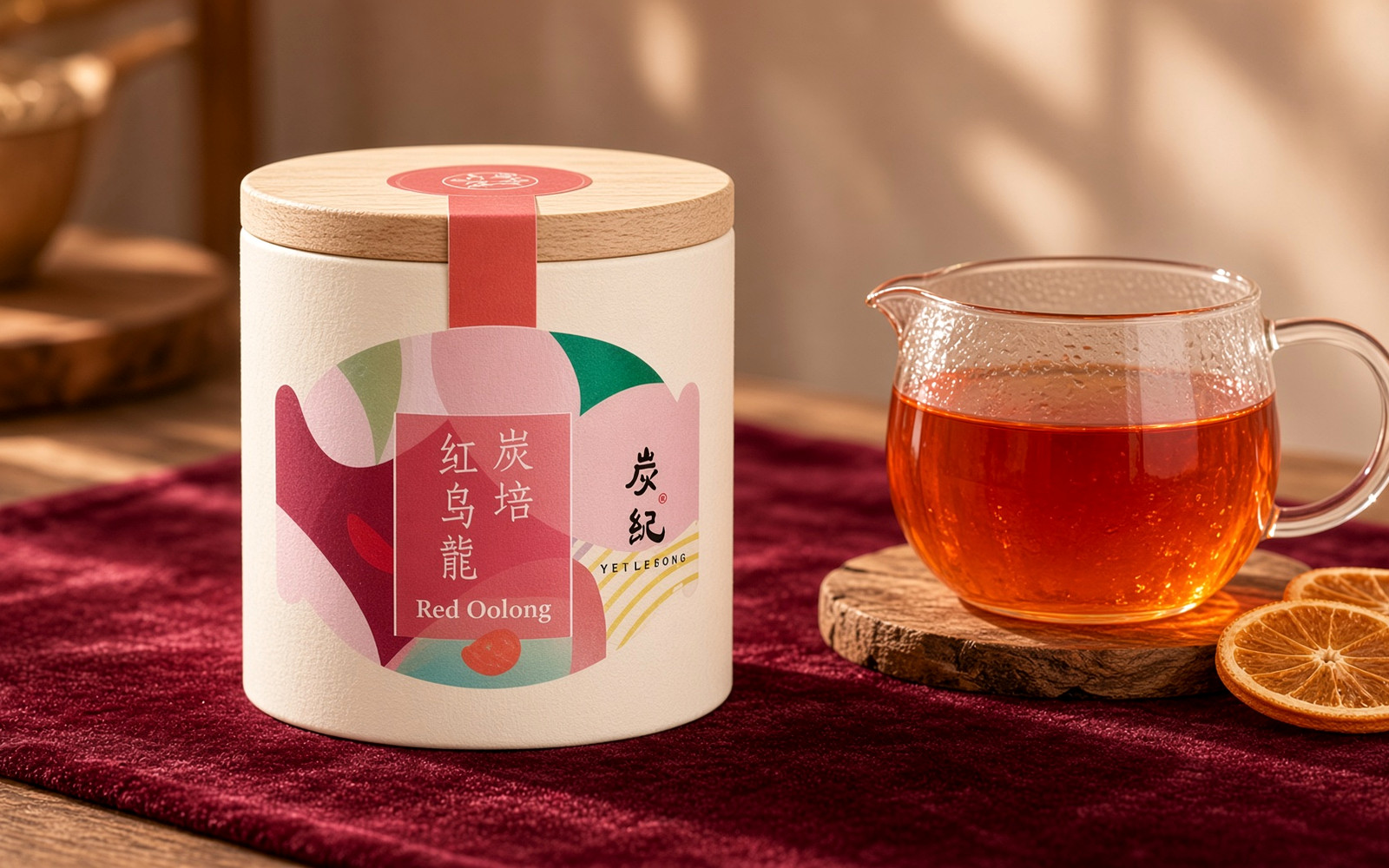
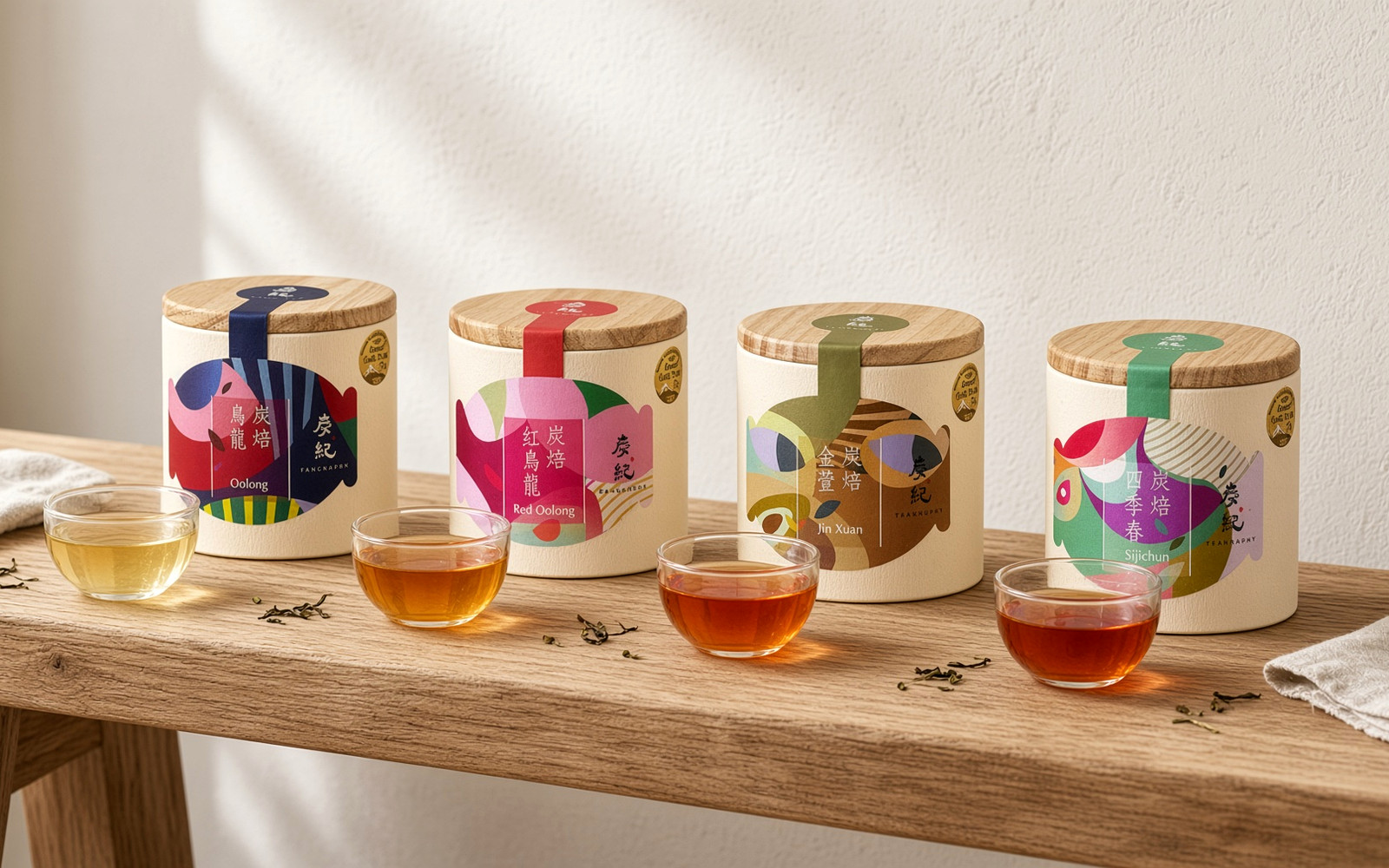
TEAGRAPHY's own Four Seasons teas show the range. The product pages list Si Ji Chun and Jin Xuan at about 20-25% oxidation, while Red Oolong is at 80-90%. Its product page describes red oolong as combining oolong and black tea processing, with the highest degree of oxidation of any oolong made today.
How roasting and rolling set oolong apart
Rolling
Taiwanese oolong is usually rolled into tight balls. The leaves open slowly in hot water, which is why the same leaves can be steeped again and again. Our guide to ball-rolled oolong explains the technique.
Roasting
Many oolongs are roasted after rolling. TEAGRAPHY roasts over longan wood charcoal, with no more than 6 kg of leaf per basket and a roasting master watching for 3 to more than 10 hours. Roast level is separate from oxidation: its Jin Xuan and Si Ji Chun are lightly roasted, while its charcoal-roasted Oolong carries a medium roast.
Oolong vs green tea vs black tea at a glance
| Green tea | Oolong | Black tea | |
|---|---|---|---|
| Oxidation | Unoxidised | Partial (light to heavy) | Full |
| Typical leaf shape | Flat, needle or loose | Tightly rolled balls (Taiwan) | Twisted or broken |
| Flavour | Fresh, vegetal | Floral, milky, fruity or roasted | Malty, fruity, robust |
| Liquor colour | Pale green-yellow | Pale gold to amber or orange-red | Red-brown |
| Water temperature* | 80-90°C | Boiling for high-mountain oolong | 90°C to boiling |
| Re-steeping | A few times | Many short infusions | Usually once or twice |
*Temperatures from tasting research by Taiwan's Tea and Beverage Research Station, summarised on the TEAGRAPHY FAQ. For its charcoal-roasted oolongs, TEAGRAPHY recommends 95-100°C.
How to brew each tea well
- Green tea: let boiled water cool to 80-90°C and keep infusions short.
- Oolong: use 95-100°C water. In a small pot, start with about 5 g per 75-85 ml and 60 seconds, then re-steep.
- Black tea: use water from 90°C to boiling and a single, slightly longer steep.
The most common oolong mistake is treating it like green tea: water that is too cool leaves rolled leaves closed and the cup thin.
Which tea suits you?
- You like fresh green tea: try Charcoal-Roasted Si Ji Chun, with its bright gardenia aroma.
- You prefer soft, creamy drinks: Jin Xuan offers milky sweetness.
- You drink black tea: Charcoal-Roasted Red Oolong gives black-tea fragrance with oolong sweetness.
- You want warmth and depth: the charcoal-roasted Oolong brings a rich roasted aroma.
Taste the difference yourself
The clearest way to understand oolong is to taste its extremes. Brew a lightly oxidised Si Ji Chun and a heavily oxidised Red Oolong side by side, and you will see the whole spectrum in two cups. Find both in the TEAGRAPHY shop, or learn more about the roasting behind them on the charcoal roasting page.